
Raised Access Floor
Raised access floor systems are modular panel systems installed on height-adjustable pedestals, creating a service void between the structural floor slab and the finished floor covering.
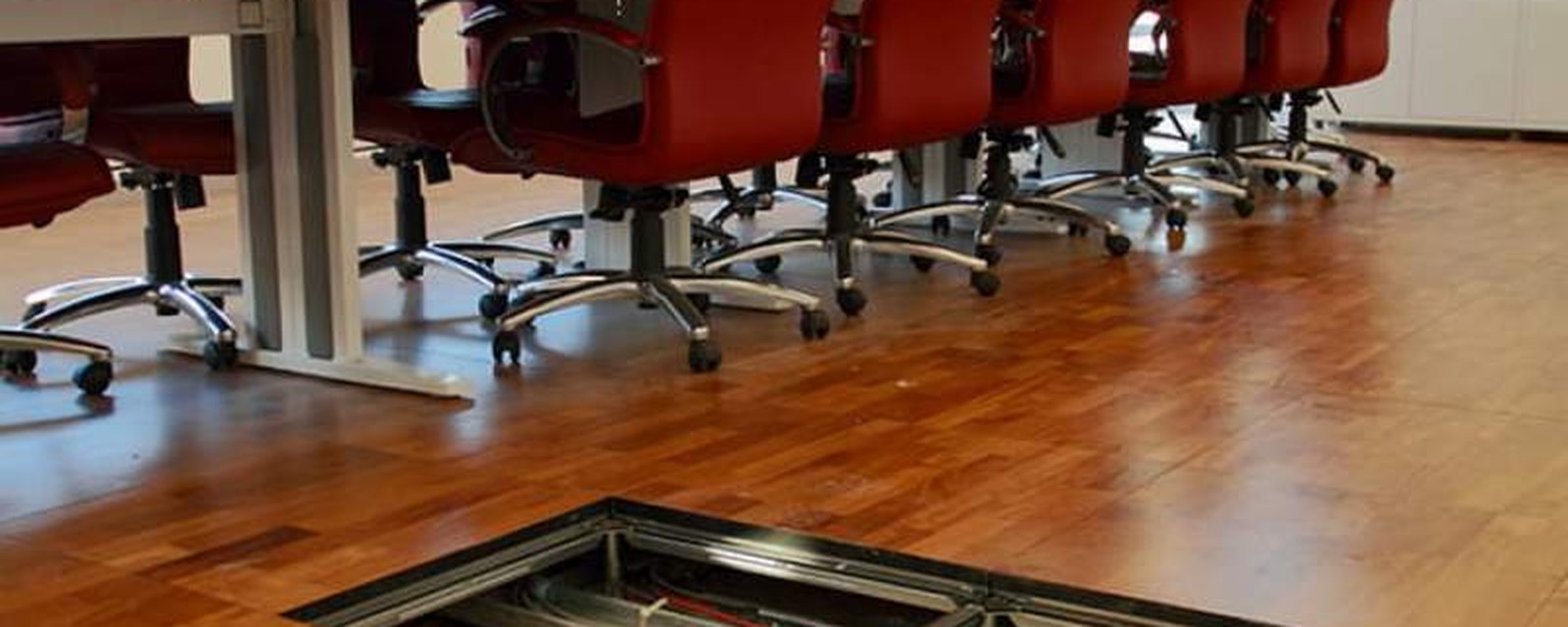
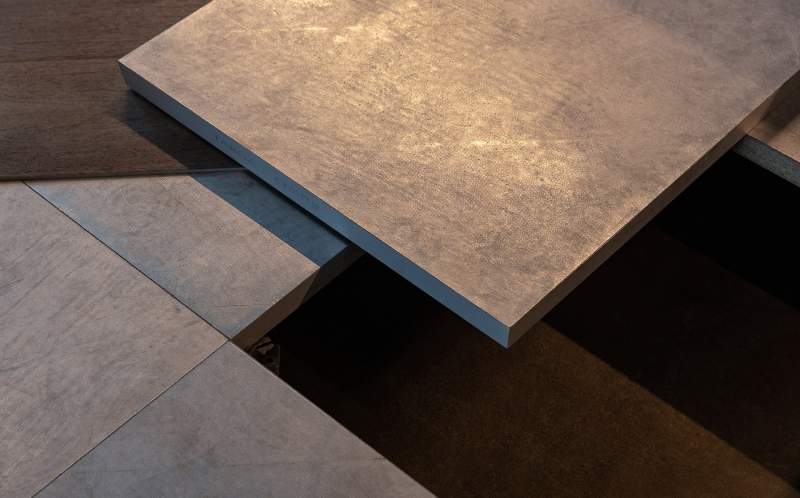
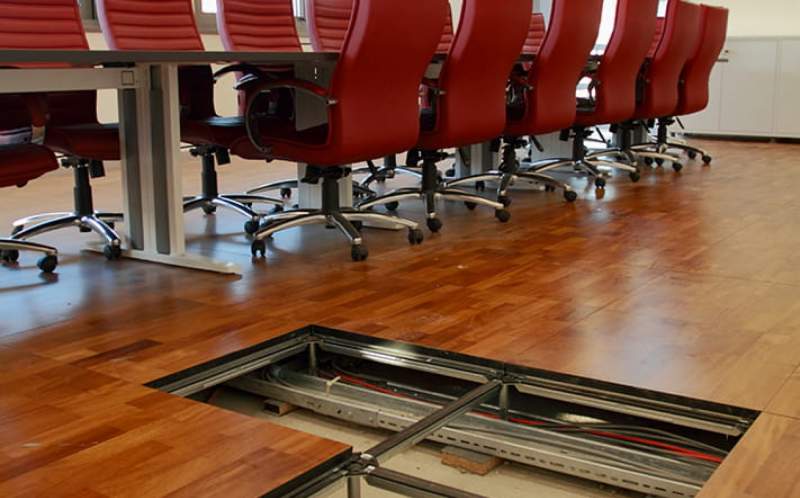
Raised access floor systems are modular panel systems installed on height-adjustable pedestals, creating a service void between the structural floor slab and the finished floor covering. This void allows power cables, network lines, ventilation ducts and heating pipework to be routed neatly out of sight, which makes raised floors an almost standard solution for data centers, server rooms, telecommunications facilities, control rooms and modern IT offices. Within this category, Aspen Pro offers two core panel types: calcium sulphate core panels and chipboard core panels. Calcium sulphate core panels stand out for their high load-bearing capacity and fire resistance, making them well suited to demanding environments such as server rooms, while chipboard core panels are lighter and more cost-effective, and are widely used in standard office settings. Both panel types are available with metal, aluminum foil, PVC or natural wood finishes, allowing the system to be matched to a project both technically and aesthetically. Installation involves setting the panels onto height-adjustable pedestals, which levels the floor and keeps the underfloor space easily accessible at any point in the future. If a panel is damaged or needs servicing, only that individual panel needs to be lifted and replaced, without disturbing the rest of the floor - minimizing operational downtime. When choosing a raised access floor solution, it is important to consider the building's load requirements, cable density and moisture conditions. As Aspen Pro, we have long been providing our customers with quality products and professional service - in Baku, we support projects from selecting the right panel type through to installation. To find out the raised floor price and delivery terms, feel free to contact our team; we provide suitable technical recommendations for both small office projects and large-scale data center installations. Panels are typically produced in a square format (600x600 mm is the most common size), which allows the pedestal grid to be spaced evenly and makes it simple to replace individual panels when needed. For server rooms, an antistatic finish option is also available, reducing the risk of static discharge damaging sensitive electronic equipment.