
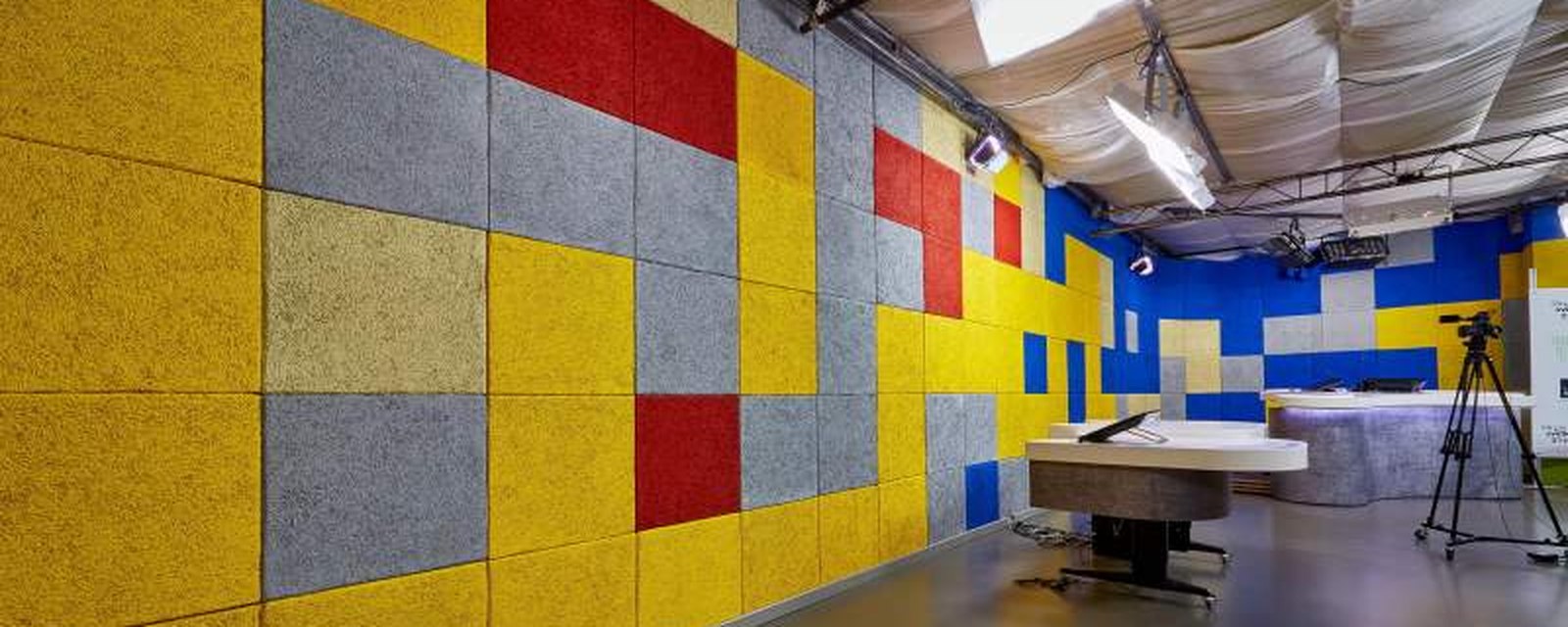
Wood-based systems
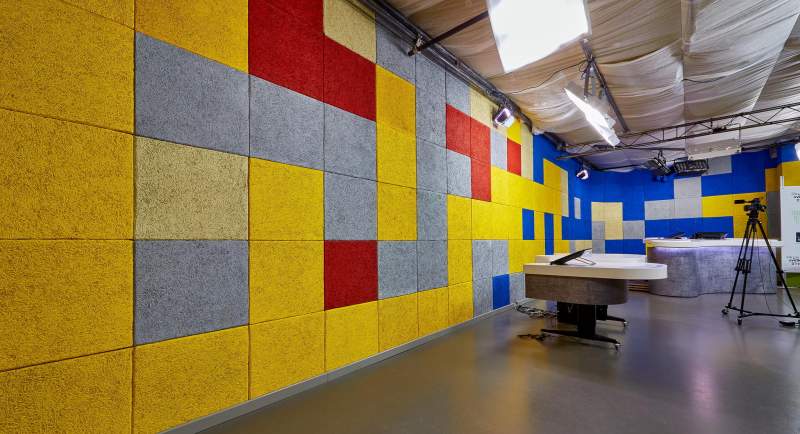
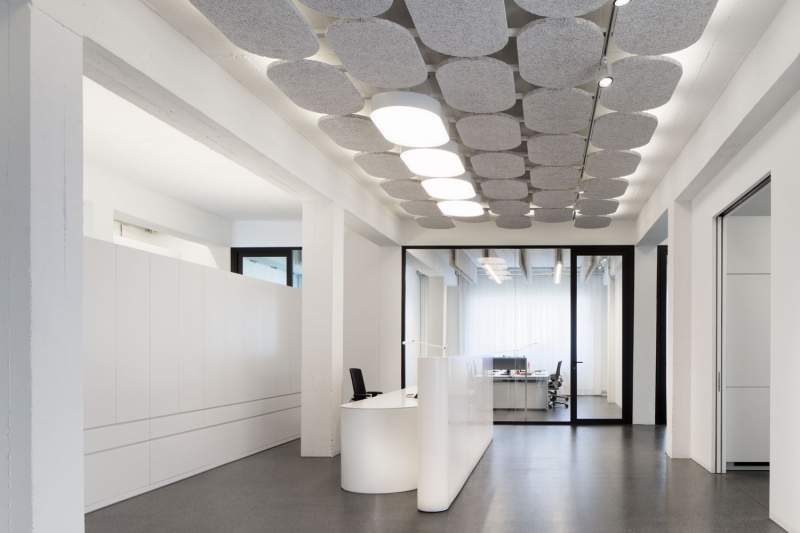
Wood-based panels are an environmentally responsible ceiling and wall solution that combines the aesthetics of natural materials with acoustic functionality.
Wood-based panels are an environmentally responsible ceiling and wall solution that combines the aesthetics of natural materials with acoustic functionality. In the Aspen Pro range, this category is represented by two renowned European manufacturers: Cewood and Troldtekt wood wool-cement composite panels. Based on over 40 years of experience in wood wool production at its modern factory in the Alūksne region of Latvia, Cewood offers high-quality construction and cladding materials crafted with special care for nature.
Troldtekt panels are produced by combining wood fibers sourced from Danish forests with Portland cement; their composition is 100% natural and PEFC certified. The structural composition of wood-based panels, consisting of a wood chip-cement mixture, is not only harmless to human health and the environment but also possesses natural acoustic absorption properties - making them an ideal choice for spaces such as schools, kindergartens, sports halls, offices, and cultural facilities where both aesthetic appearance and sound comfort are required. The panels can be provided painted or in a natural wood color, which gives the interior a warm, organic look and creates a balanced unity with cold materials like concrete and glass.
The price of wood-based suspended ceiling panels is determined by the chosen brand (Cewood or Troldtekt), panel thickness, and surface color. These systems are increasingly in demand in Baku for environmentally certified construction projects, educational institutions, modern office interiors, and cinemas, as they meet sustainable building standards and provide a long-lasting, wear-resistant surface. During installation, they ensure compatibility with existing metal carrier systems, which simplifies the assembly process. You can contact our team to select panels that meet the environmental and aesthetic requirements of your project. The wood wool structure within the panels absorbs air, contributing to both thermal insulation and humidity regulation, which makes them an additional factor in increasing energy efficiency in buildings with cold climates. PEFC-certified Troldtekt panels can serve as an additional argument in the environmental certification process (e.g., when aligning with LEED or BREEAM requirements) for projects seeking sustainable building materials.
As the trend toward natural materials in interior design (biophilic design) has increased in recent years, wood-based panels are increasingly chosen as decorative acoustic solutions in hotel lobbies, restaurants, and office interiors. Since panel thickness and the size of the rear facade gap directly affect the sound absorption coefficient, the most suitable combination is determined by conducting an acoustic calculation at the project stage.